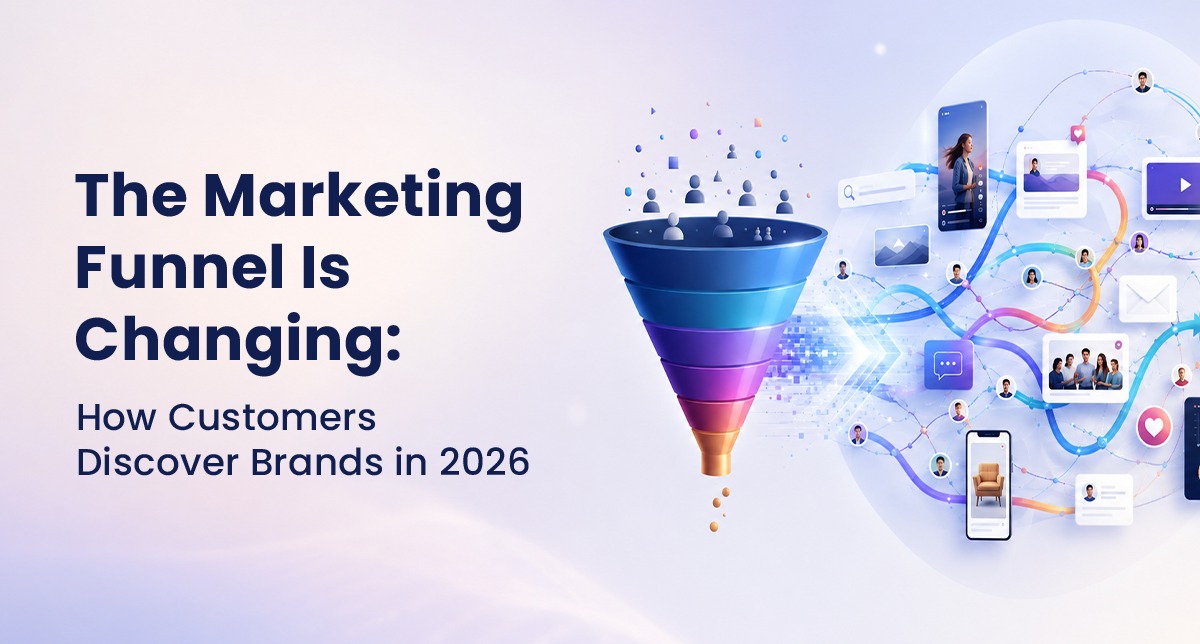
The Marketing Funnel Is Changing: How Customers Discover Brands in 2026
For years, marketers followed a simple customer journey:
Awareness → Consideration → Conversion → Loyalty
A customer would discover a brand, research it, compare options, and eventually make a decision.
In 2026, that journey is no longer so straightforward.
Today, someone might discover your business through an Instagram Reel, search your name on Google, check your LinkedIn page, ask ChatGPT for recommendations, read reviews, visit your website, and finally send a WhatsApp message.
And all of that can happen within minutes.
The marketing funnel is no longer a straight line.
It is becoming a connected ecosystem of search, social media, AI, content, reviews, websites, and conversations.
1. Discovery Is Happening Everywhere
Google is still important, but it is no longer the only place customers begin their journey.
People now discover brands through:
- Instagram Reels
- TikTok
- YouTube
- Google Search
- Google Maps
- AI assistants
- Influencers and creators
- Online communities
- Paid advertising
- Recommendations from friends
This means brands can no longer rely on one platform to generate awareness.
Your next customer may not search for your exact business category on Google.
- They may first see a Reel.
- Then search your company name.
- Then visit your website.
- Then check your reviews.
The strongest brands understand that every one of these touchpoints contributes to the buying decision.
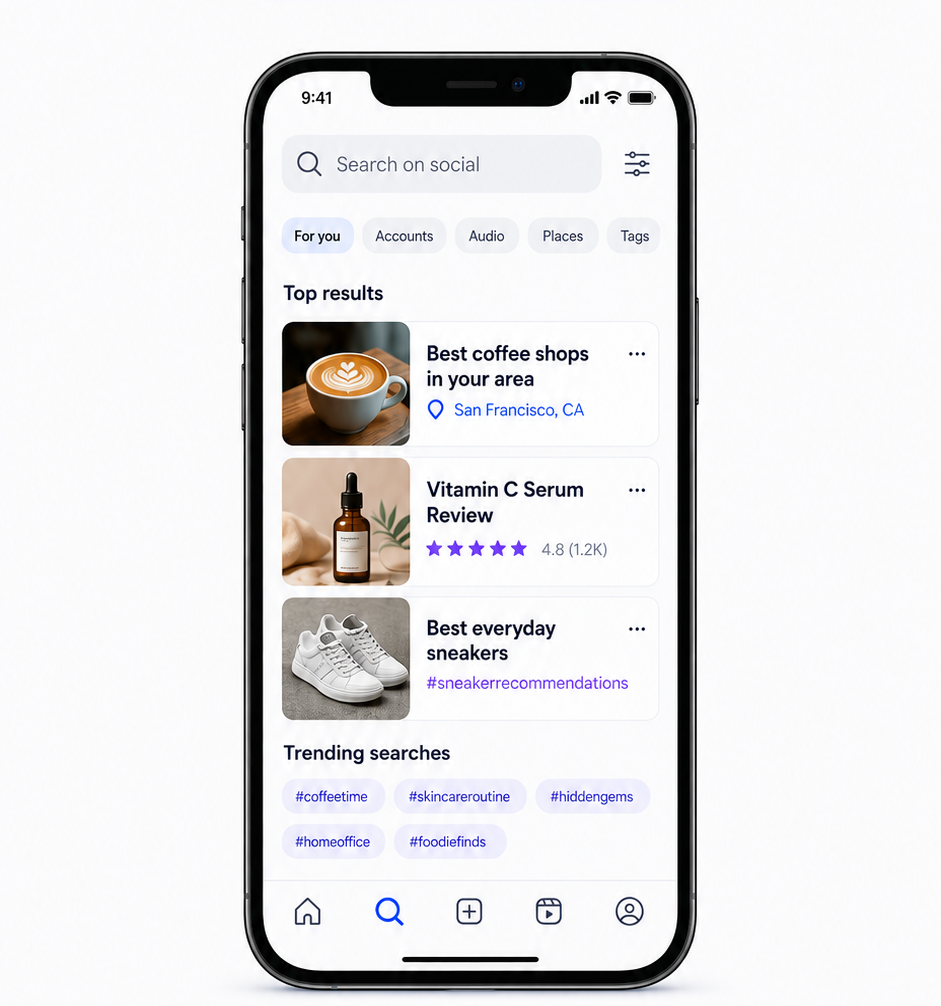
2. Social Media Is Becoming a Search Engine
Social media is no longer just about posting attractive content and gaining followers.
People actively use platforms to research products, services, places, and businesses.
A potential customer might search:
“Best real estate investment areas in Dubai”
“Corporate gifting company in UAE”
“Best marketing agency in Dubai”
“Villa landscaping ideas”
Instead of relying only on hashtags, brands need to create content that clearly communicates what they do.
Captions, video scripts, titles, on-screen text, profiles, and educational posts should naturally include the words customers are actually searching for.
The goal is simple:
Make your content easy to discover and easy to understand.
3. AI Is Entering the Customer Journey
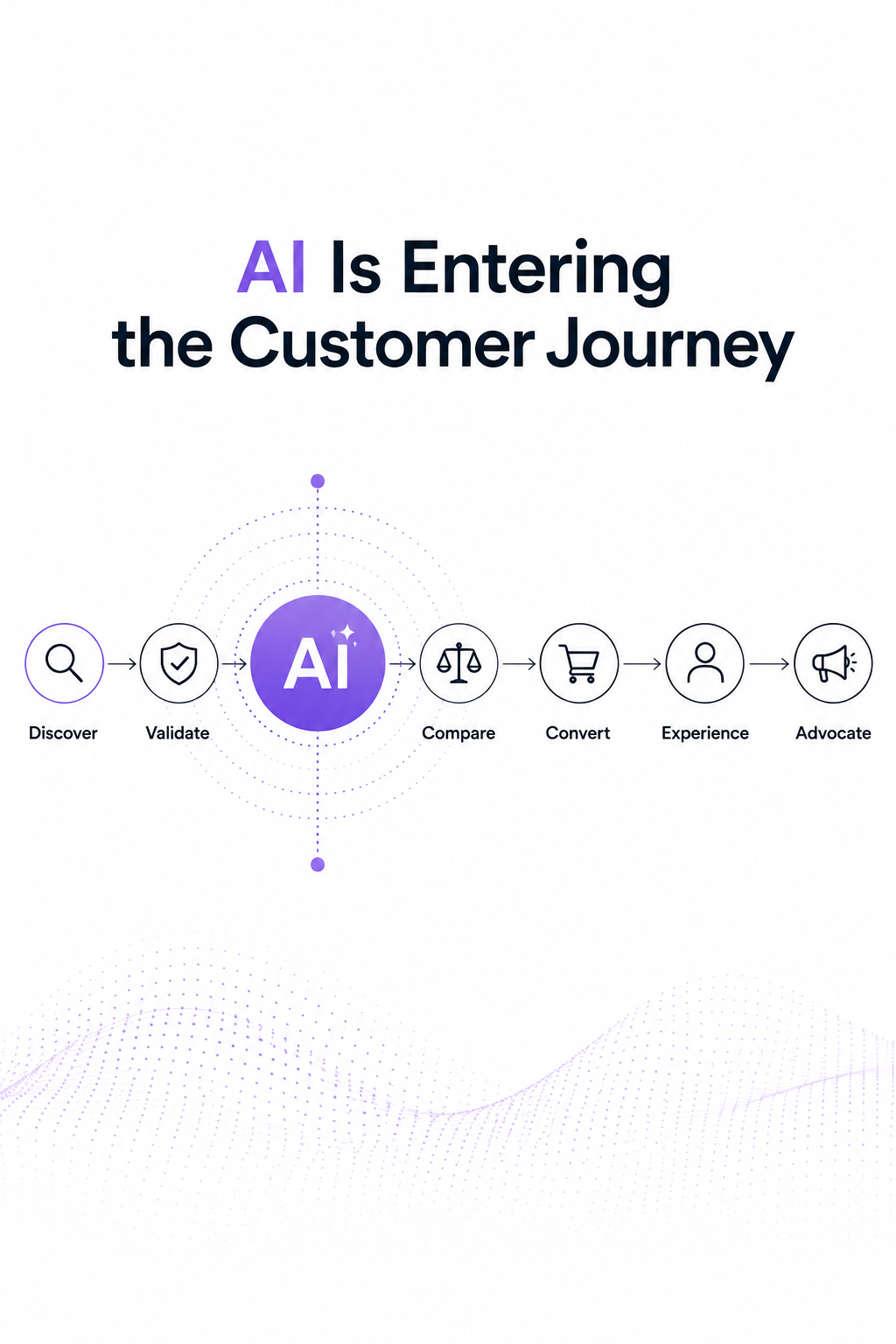
One of the biggest changes in 2026 is the growing role of AI-powered search and recommendation tools.
Customers are becoming more comfortable asking detailed questions such as:
“Which digital marketing agency in Dubai can handle branding, website development and SEO?”
Or:
“What should I consider before investing in Dubai real estate?”
Instead of visiting ten websites, customers can now use AI tools to research, compare and create a shortlist.
That means businesses need to think beyond traditional SEO.
Your website and online presence should clearly communicate:
- Who you are
- What you offer
- Where you operate
- Who you serve
- Why customers should trust you
- What makes you different
- What expertise you have
If search engines and AI systems cannot clearly understand your business, you risk becoming invisible during an increasingly important part of the discovery process.
4. Customers Validate Brands Before They Contact Them
Discovery may happen on social media, but customers usually look for validation before making a decision.
They check:
- Your website.
- Your reviews.
- Your social media.
- Your LinkedIn presence.
- Your portfolio.
- Your case studies.
- Your content.
This is where many businesses lose potential customers.
An advertisement may look excellent, but if the website looks outdated, confidence immediately drops.
A company may have a strong Instagram page, but poor Google reviews can create hesitation.
A salesperson may promise expertise, but an empty LinkedIn presence can weaken credibility.
Marketing in 202
6 is not about making one channel look good.
It is about making the entire digital presence feel trustworthy and consistent.
5. Your Website Is Still the Digital Foundation
Social platforms change.
Algorithms change.
Trends change.
But your website remains one of the most important digital assets your business controls.
Its role, however, has evolved.
Your website is no longer simply an online brochure.
It should help customers:
- Understand your services quickly
- Find answers to important questions
- See proof of your expertise
- Explore your work
- Trust your business
- Take the next step easily
Every campaign should eventually connect to a strong conversion experience.
Because there is little value in generating thousands of visitors if the website cannot turn interest into enquiries.
6. Conversations Are Becoming Part of the Funnel
Customers increasingly expect businesses to be easy to contact.
Website forms are still useful, but many users prefer faster channels such as:
- Instagram DMs
- Messenger
- Live chat
- AI-powered chat assistants
The distance between discovery and conversion is becoming shorter.
Someone can see a product or service, ask a question and begin a sales conversation almost immediately.
For businesses, that means customer response time is no longer only a customer-service issue.
It is a marketing and conversion issue
7. Branding Connects the Entire Journey
When customers encounter your business across five or six different platforms, consistency matters.
Your website should feel connected to your Instagram.
Your LinkedIn should feel connected to your brand identity.
Your advertising should feel connected to your website.
Your proposals, presentations, packaging and communication should all feel like they come from the same company.
This is why branding matters more than simply having a good logo.
A strong brand creates recognition.
Recognition creates familiarity.
Familiarity helps build trust.
And trust makes conversion easier.
What Does the Modern Marketing Funnel Look Like?
In 2026, the journey looks more like this:
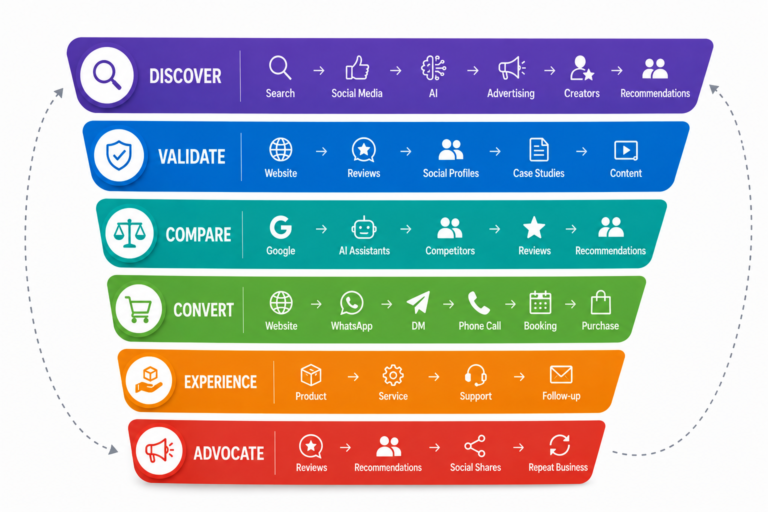
DISCOVER
Search → Social Media → AI → Advertising → Creators → Recommendations
VALIDATE
Website → Reviews → Social Profiles → Case Studies → Content
COMPARE
Google → AI Assistants → Competitors → Reviews → Recommendations
CONVERT
Website → WhatsApp → DM → Phone Call → Booking → Purchase
EXPERIENCE
Product → Service → Support → Follow-up
ADVOCATE
Reviews → Recommendations → Social Shares → Repeat Business
Customers can enter this journey from almost anywhere.
And they can move backwards, forwards, leave and return.
That is why businesses need to stop thinking about marketing as separate activities.
SEO should not operate separately from content.
Social media should not operate separately from branding.
Advertising should not operate separately from the website.
And the website should not operate separately from sales.
The Future Belongs to Connected Brands
The marketing funnel is not disappearing. It is evolving.
Customers now have more ways to discover your business, more information available before contacting you, and higher expectations when they finally arrive.
The businesses that succeed will not necessarily be the ones using the most platforms.
They will be the ones creating the most connected experience across every relevant touchpoint.
So instead of asking:
Which marketing channel should we focus on?
Ask:
When a potential customer discovers us anywhere online, does every next interaction strengthen their confidence in our brand?
That is the marketing challenge of 2026.
And it is also the opportunity. connected experience across every relevant touchpoint.
So instead of asking:
Which marketing channel should we focus on?
Ask:
When a potential customer discovers us anywhere online, does every next interaction strengthen their confidence in our brand?
That is the marketing challenge of 2026.
And it is also the opportunity.
At Kreativefolio, we help businesses connect branding, websites, SEO, AI search visibility, social media and performance marketing into one digital ecosystem designed around how customers actually discover brands today.